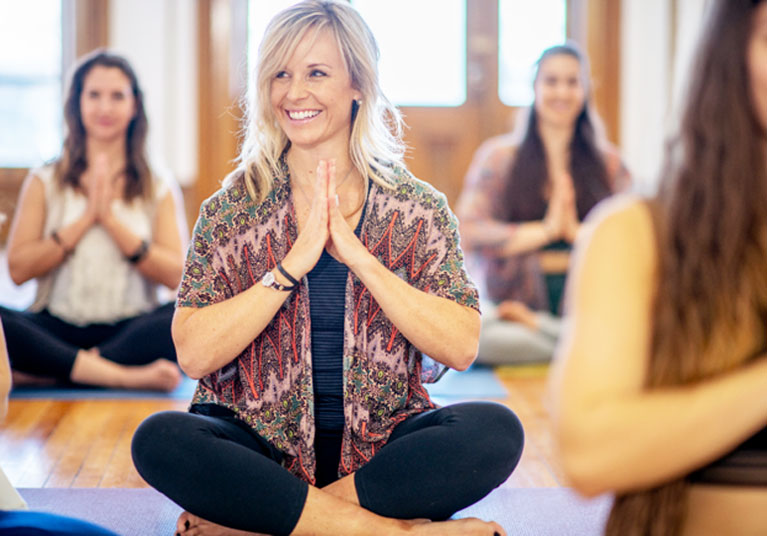

True independence is not about separating from others but about returning to the part of us that is already whole, steady, and free.
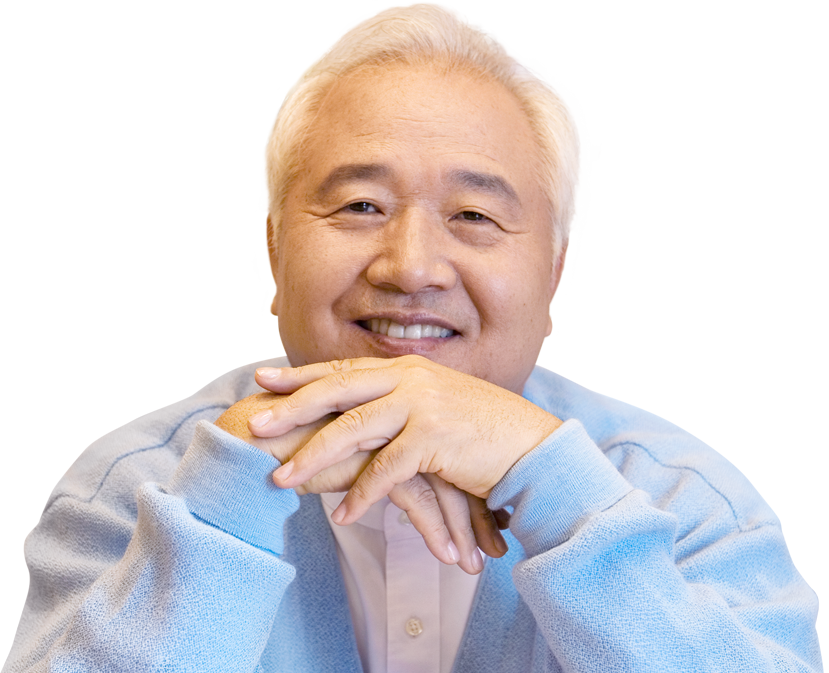
Ilchi Lee is an author and educator who helps people use the full potential of the brain. He developed Brain Education, a mind-body training method that helps each person create their own health, happiness, and peace.
“To live your most authentic life, you have to take back your brain.”
—Ilchi Lee
Sign up for weekly inspirational messages and updates and get a FREE e-booklet on “Brain Habits for Living an Intentional Life.”

Solve Your Problems with Energy Communication
Many of our problems begin with blocked communication in our words and in the energy we radiate.
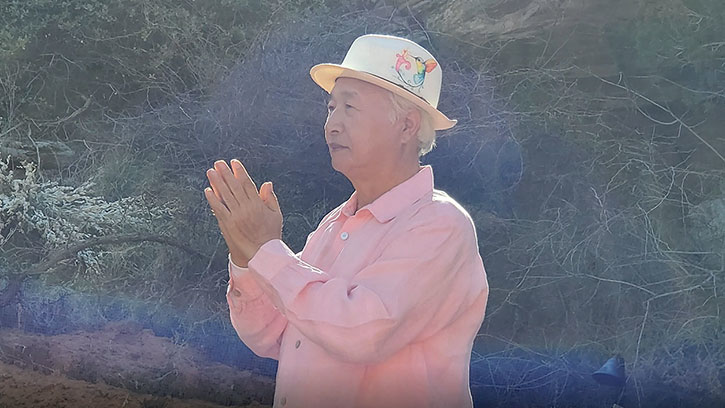
Let’s Revisit the “Prayer of Peace”
In a world of conflict and division, this heartfelt “Prayer of Peace” offers a path to awaken unconditional love, inner peace, and a sense of shared humanity.
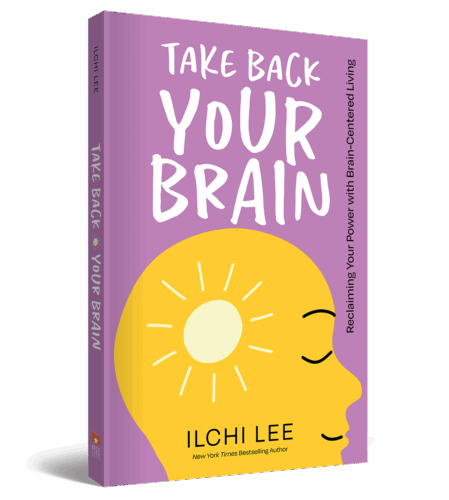
Break free from distraction. Reclaim your why. See how.
Get Involved
From training studios to retreat centers to online courses, there are many ways to learn Ilchi Lee’s Brain Education method for personal growth.