

Darya Petrenko | Dreamstime.com
The care and wisdom we receive from those who came before us live on through what we do with them.
Sometimes, in the middle of an ordinary day, someone who has passed away comes to mind. We are preparing a meal and remember how they stood beside us in the kitchen. A difficult decision brings back something they once said. Without thinking, we use their familiar words to comfort someone else.
We miss their presence. Yet in these moments, we recognize that something of their life is still helping us live ours.
Much of what people give us takes time to understand. A kindness we accepted without much thought when we were young may become precious as we grow older. Having faced difficulties of our own, we begin to appreciate the patience or courage an ordinary act required.
Remembering someone can therefore teach us something new, even many years after their passing. As our understanding deepens, so does the question: How will we carry what they gave us into our lives today?
A Lesson That Remains
A woman once told me about her mother. During a family meal, a relative began criticizing someone who was not there. Her mother quietly set down her spoon and said, “We don’t really know what that person was going through. We shouldn’t speak so carelessly about them.”
She said nothing more. After a brief silence, the conversation moved on.
The woman had seen her mother respond this way many times. More than ten years after her mother’s death, those words still returned whenever she felt tempted to judge someone too quickly.
Her mother’s voice had become part of her own conscience. At a moment when she might have spoken carelessly, it helped her pause and consider another person’s life.
Most of us have received some teaching in this way. We watched how someone treated a stranger, admitted a mistake, or stayed beside us when we had little to offer in return. Their actions showed us what care looked like.
We may have forgotten much of what they said. But we remember how it felt to be with them, and that memory continues to shape how we treat others.
Letting Remembrance Become Action
The wisdom we receive grows through use.
If someone’s patience helped us through a difficult time, we honor it by making room for another person’s difficulties. When we remember how warmly someone welcomed us, we can offer that warmth to a person who feels out of place.
These are small choices, but they have an effect. Someone feels less alone. A harsh word goes unspoken. A conversation becomes possible because we took the time to listen. Through such moments, the love and energy we received reach another person.
Of course, remembering a loved one is not always simple. We may carry hurt alongside gratitude. Someone who taught us generosity may also have been impatient with us. A relationship can contain both gifts and wounds.
We do not have to settle every feeling before recognizing something worthwhile. We can appreciate the good we received while choosing to change a painful pattern. This, too, is a way of caring for those who come after us.
What we carry forward deserves our attention. Each time we put a lesson into practice, we make it part of the life we are passing on.

Becoming Someone Others Can Learn From
As we practice what we have received, we also add the understanding gained through our own lives. A lesson takes on greater depth when we have struggled to live it ourselves.
Patience means more after we have cared for someone through a long illness. Encouragement becomes more thoughtful after we have faced failure. We learn how much a few sincere words can matter because there were times when we needed them.
This is part of growing into an enlightened elder: continuing to learn from life and making that learning useful to others.
Our later years offer a valuable opportunity for this. As responsibilities such as raising children ease or change, there may be more time to reflect and contribute beyond our immediate family. Our experience can serve a neighbor, a younger colleague, or the wider community.
Yet growing older does not automatically make us wise. We can repeat the same reaction for years without examining it. We can also learn something valuable and keep it to ourselves.
Wisdom asks something of us. We need the humility to recognize what we have not understood and the willingness to share what might help.
Remembering our own teachers can guide us here. Their words reached us because we trusted the lives behind them. They took our concerns seriously and gave us room to find our way. We felt their wish to help.
When we offer that same respect to others, our experience becomes easier to receive. We begin to sense when a story would be helpful and when quiet listening would offer more.
There is no need to wait until a certain age to begin. Whatever our stage of life, someone may draw strength from how we meet the day before us.
A Practice of Remembrance
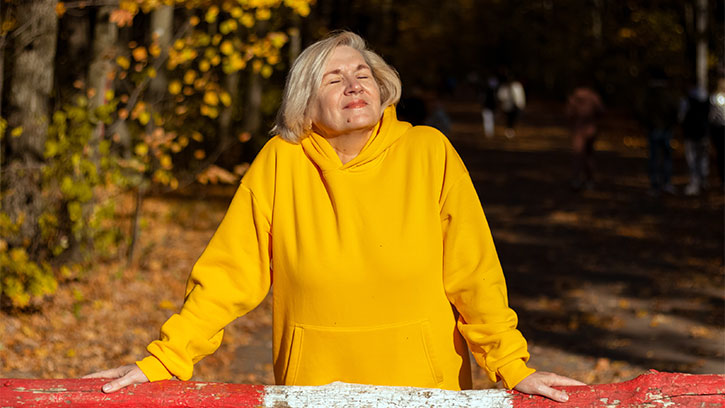
As we learn to offer guidance with care, we can return to the examples of those who guided us. A few moments of deliberate remembrance can help us see their lessons more clearly and find a way to carry them into our lives today.
Take a few breaths and bring to mind someone who has passed away. Let one ordinary memory arise. It might be a familiar gesture, a conversation, or a moment you spent together.
Stay with that memory for a little while. What do you understand about it now that you did not understand then?
Perhaps you recognize how tired the person must have been, yet they still made time for you. Perhaps a piece of advice that once seemed unnecessary now speaks directly to something you are facing.
Then ask: How could I bring this understanding into my life today?
Choose one small action. Give someone time to finish speaking. Reach out to a person who has been on your mind. Share a memory that might help another family member appreciate the person you both miss.
Sadness may arise as you remember. There is no need to hurry it away. Gratitude and grief often share the same space in our hearts.
The people who cared for us could not remain beside us forever. Still, something they gave us may be helping us take our next step. As we recognize that gift and live by it, we offer it a future in someone else’s life.
Editor’s Note: Ilchi Lee explores how the spirit and values of a life continue through others in The Tao of Dying Well: How to Live Fully, Love Deeply, and Leave Peacefully.
Related Posts
- An Enlightened Culture
- What Should We Live for in Our Later Years
- My Life After Sixty
- The Best Memorial Is Paying It Forward
- Love More the Harder Things Get